
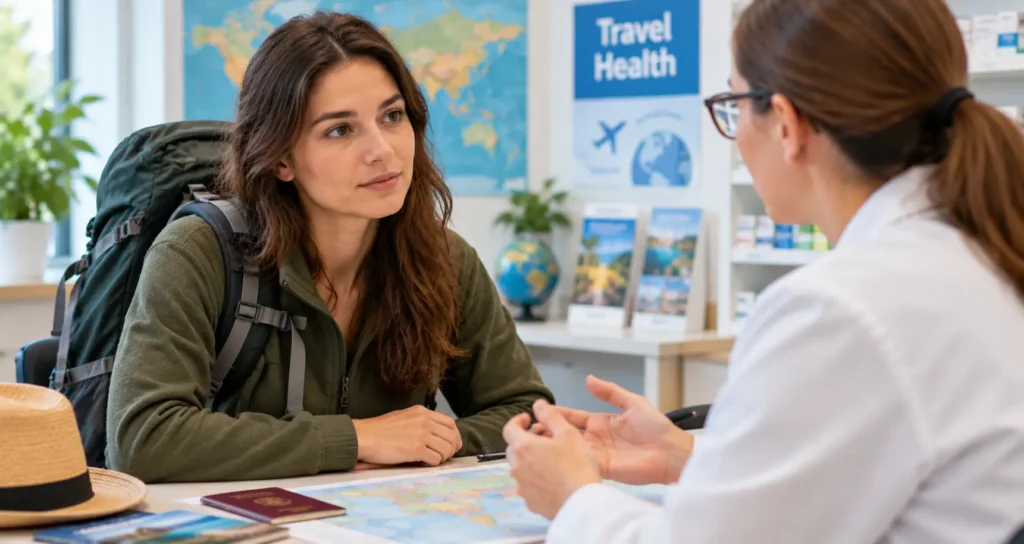
If you are planning a backpacking trip and want travel-health advice in Barkingside, the most useful preparation is to bring the full shape of your journey – not just the country name. Backpacking often involves several stops, changing accommodation, rural or remote areas and activities that can alter your health risks. A pre-travel assessment can then focus on your itinerary, vaccination history, medicines, individual health factors and the practical precautions that matter for the places you will actually visit.
The NHS advises trying to get advice from a travel-health professional at least 4 to 6 weeks before travel because some vaccines need more than one dose or take time to build protection. If you are leaving sooner, it can still be worthwhile seeking advice rather than assuming you have missed the opportunity. For current local service information, use the Fullwell Pharmacy travel-clinic page and confirm availability before making a special journey.
Why backpacking needs a more detailed travel-health review
A backpacking itinerary can change quickly. You may cross borders, use overnight transport, spend time in smaller towns or rural areas, stay in hostels or basic accommodation, trek, volunteer, hire a motorbike or spend longer outdoors than a package-holiday traveller. Those details can affect which health risks deserve attention.
TravelHealthPro describes risk assessment as a cornerstone of the pre-travel consultation. The assessment is based on information about both the traveller and the planned trip, so the advice can be tailored rather than copied from a generic country list. For backpackers, that means the route, duration, season, accommodation, activities and access to medical care can be just as important as the destination itself.
This is also why one backpacker should not simply copy another person’s vaccine plan or malaria tablets. Two people going to the same country may visit different regions, stay for different lengths of time, have different vaccination histories or have health conditions that change what is suitable.
What to take to a travel-health consultation before backpacking
You will usually get more useful advice if you arrive with a clear record of your trip. Before the appointment, put the following information in your phone or travel folder.
| Information to bring | Why it matters |
| Travel dates and full route | Different countries, regions and stopovers can have different health risks and entry requirements. |
| Accommodation and activities | Hostels, rural stays, trekking, animal contact, volunteering or long periods outdoors may change the risk assessment. |
| Previous vaccination records | This helps avoid unnecessary repeat doses and shows which routine or travel vaccines may need checking. |
| Current medicines, allergies and relevant conditions | Some vaccines or medicines may not be suitable for everyone, and regular treatment may need planning before a long trip. |
| Travel insurance details and emergency plan | Backpackers should check that their policy covers the countries, trip length and planned activities, including adventure activities if relevant. |
If your itinerary is not final, bring your most likely route and explain which parts are flexible. It is better to discuss uncertainty openly than to present a simplified itinerary that misses a rural stay, border crossing or activity that may change the advice.
When should backpackers seek travel-health advice?
The NHS recommends trying to arrange travel-health advice 4 to 6 weeks before departure. That gives time to review routine immunisations, check destination-specific recommendations and complete vaccine schedules where more than one dose is needed. Some travellers will benefit from planning even earlier, particularly for long, complex or multi-country trips.
Do not cancel the idea of seeking advice just because departure is close. TravelHealthPro notes that an appointment can still be worthwhile when time is short. A clinician may still be able to discuss the risks that can be reduced before departure and explain which precautions remain important during the trip.
Vaccines: think about the route, not a standard backpacker list
There is no single set of vaccines that every backpacker needs. The NHS advises checking recommendations for the country you are visiting and where in that country you are going. Your previous vaccination history, age, health, length of stay and activities can also affect the decision.
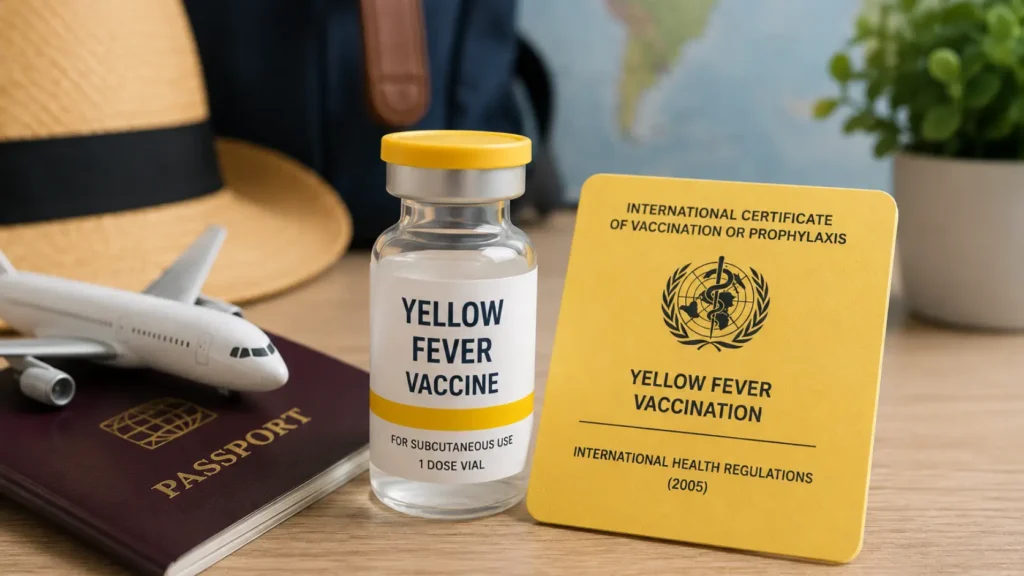
A travel-health professional may first check whether your routine vaccinations are up to date, then consider destination-specific vaccines where appropriate. Depending on the itinerary, discussions may include vaccines such as hepatitis A, typhoid, hepatitis B, rabies, Japanese encephalitis, cholera, meningococcal vaccination or yellow fever. The fact that a vaccine exists does not mean it is automatically recommended or suitable for every traveller.
Country recommendations and entry rules can change. Use the NHS travel vaccinations guidance as a starting point and check TravelHealthPro for current destination-specific information before departure.
Malaria and mosquito-borne illness need destination-specific planning
Backpacking through several regions can make malaria advice more complicated than a single-resort holiday. Risk can vary within the same country, so the exact route matters. Where malaria is relevant, prevention may involve both mosquito-bite precautions and antimalarial medicine, but the medicine choice is an individual clinical decision and should not be copied from another traveller.
Mosquito avoidance remains important even in places where malaria tablets are not advised because mosquitoes can transmit other infections. Depending on the destination, practical measures may include appropriate insect repellent, clothing that reduces exposed skin and suitable sleeping arrangements. Check current destination advice rather than relying on a list saved from a previous trip.
Food, water and stomach illness: plan for the reality of backpacking
Backpackers often eat in more places and change accommodation frequently, so it is sensible to think about food and water hygiene before you leave. The practical approach is to understand the local risks, use safe drinking water where necessary, practise good hand hygiene and make sensible choices about food storage and preparation.
Do not assume that an antibiotic or anti-diarrhoeal medicine is appropriate for every stomach upset. If illness is severe, persistent, associated with blood, significant fever or dehydration, or you are worried about your condition, seek medical advice. The threshold for getting help should be lower if you have an important underlying condition or cannot keep fluids down.
Plan regular medicines before you live out of a backpack
If you take regular prescription medicines, sort this out before departure rather than waiting until you are abroad. Make sure you know how much you need for the planned trip, how it should be stored and whether you need documentation. Keep medicines in their original labelled packaging where practical and carry essential medicines in a way that reduces the risk of losing your whole supply at once.
Rules for taking medicines into another country can differ from UK rules. Check official destination or embassy guidance, especially for controlled medicines, injections or products that may be restricted. The FCDO foreign travel checklist also advises checking the rules for medicines and arranging appropriate travel insurance.
Remote travel, activities and insurance deserve their own check
Backpacking plans often include activities that ordinary travel insurance may restrict or exclude. Trekking at altitude, scuba diving, motorbike use, adventure sports, volunteering or travel to remote areas can all affect what cover you need. Read the policy rather than assuming that a standard annual plan covers the full itinerary.
Think about how you would get help if you became unwell far from a large town. Save the insurer’s emergency number, keep a copy of your policy, know how to contact local emergency services and keep important documents available if your phone is lost. The FCDO recommends travel insurance that covers the places you will visit, the duration of the trip and planned activities.
What can a community pharmacist help with before backpacking?
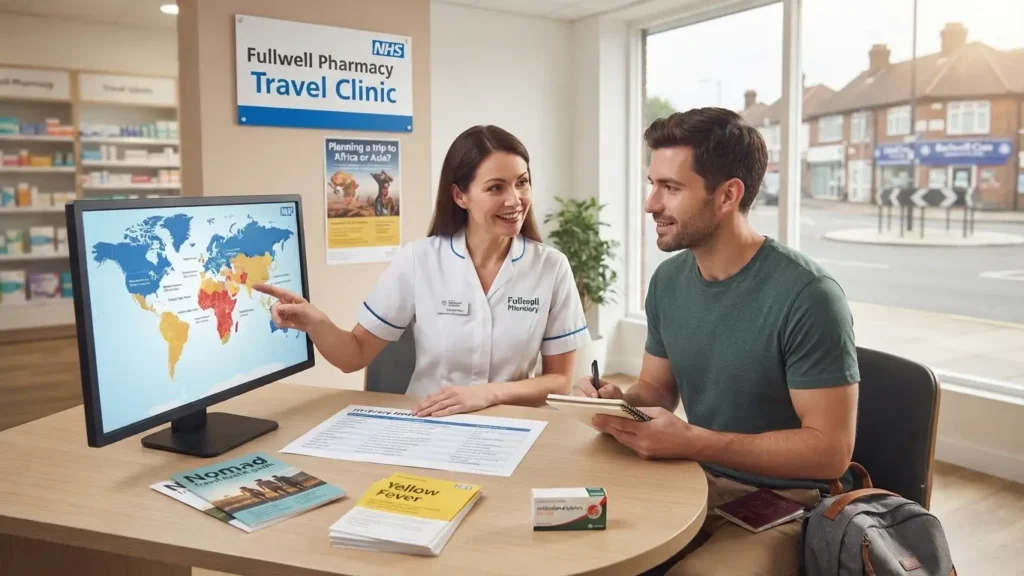
Where a pharmacy offers travel-health services, a pharmacist can be a useful first point of contact for pre-travel preparation. The exact scope depends on the service, but a consultation may help you review your itinerary, previous vaccination information, destination health advice and medicine-related questions, and identify when you need another clinician or a specialist service.
A pharmacist can also help you think through practical medicine issues, such as carrying regular treatment, checking whether a new medicine could interact with your existing medicines, and understanding when symptoms during or after travel need medical attention. Vaccination or medicine supply is always subject to individual assessment and current service arrangements.
For a broader preparation checklist, you can also read 10 travel health tips before seeking travel advice in Barkingside. That article covers general pre-travel planning, while this page keeps the focus on backpacking itineraries and the extra detail they can require.
When should you use a GP, NHS 111 or emergency care instead?
A travel-health discussion should not replace the clinician who manages an ongoing medical condition. Contact your GP or usual clinical team before travel if your condition is unstable, you have recently been admitted to hospital, you have had a significant medicine change, or you need advice about fitness to travel or a complex treatment plan.
If you are in the UK and think you need medical help right now but it is not a life-threatening emergency, NHS 111 can direct you to the most appropriate service. For a life-threatening emergency, call 999 or go to A&E. If you become seriously unwell abroad, use local emergency services and contact your travel insurer where appropriate.
Backpacking travel-health planning in Barkingside
Fullwell Pharmacy is located at 151 High Street, Barkingside, Ilford, IG6 2AJ. This guide is designed for the narrower informational question of preparing for backpacking; it does not replace the main travel-clinic page, which should remain the owner for current service details, booking information and broad travel-clinic searches.
If you live in Barkingside or nearby parts of Ilford and Redbridge, start by gathering your itinerary, travel dates, vaccination history and medicine list. Then check the Fullwell travel-clinic page for current local information and confirm the service you need is available before attending.
A practical backpacker checklist before you go
· Write down every country, region and stopover on your planned route.
· Try to arrange travel-health advice 4 to 6 weeks before departure, but still seek advice if you are leaving sooner.
· Check routine vaccination records as well as destination-specific travel vaccine advice.
· Bring a current medicine list, allergy information and relevant medical history.
· Check malaria and mosquito-borne disease advice for the exact regions you will visit.
· Review food, water, heat, sun, altitude and animal-contact risks that fit your itinerary.
· Check the rules for carrying prescription or controlled medicines through each destination and transit country.
· Choose travel insurance that covers the length of the trip and the activities you actually plan to do.
· Keep emergency contacts, insurer details and key documents somewhere you can access if your phone or bag is lost.
· Recheck official destination advice shortly before departure because recommendations and entry requirements can change.
Frequently asked questions
What should I know about using a travel clinic before backpacking?
Bring your full itinerary rather than only the country name. A useful pre-travel assessment considers the regions you will visit, stopovers, trip length, accommodation, activities, previous vaccinations, medicines and health history. Backpacking plans can involve more variation than a single-location holiday, so the details matter.
Can I ask a pharmacist in Barkingside about backpacking travel health?
Yes, where a pharmacy offers travel-health services, a pharmacist can help with pre-travel preparation, destination and vaccination information, medicine questions and identifying when another healthcare professional is more appropriate. Check the current local service arrangements before making a special journey.
When should I contact a GP, NHS 111 or urgent care instead?
Contact your GP or usual clinical team for management of a long-term condition, recent deterioration, major medicine changes or fitness-to-travel questions. Use NHS 111 if you need medical help now and are unsure where to go. For a life-threatening emergency, call 999 or go to A&E.
Is Fullwell Pharmacy convenient for people near Ilford and Redbridge?
Fullwell Pharmacy is at 151 High Street, Barkingside, Ilford, IG6 2AJ. The location may be convenient for people in Barkingside and nearby parts of Ilford and Redbridge. Check current opening information and confirm the relevant service is available before travelling to the pharmacy.
Medical disclaimer
This article provides general travel-health information and does not replace an individual clinical assessment. Vaccine recommendations, malaria advice, medicine suitability and travel precautions depend on your destination, itinerary, health, medicines and current guidance. Seek professional advice for your own circumstances.


 the prescription app