
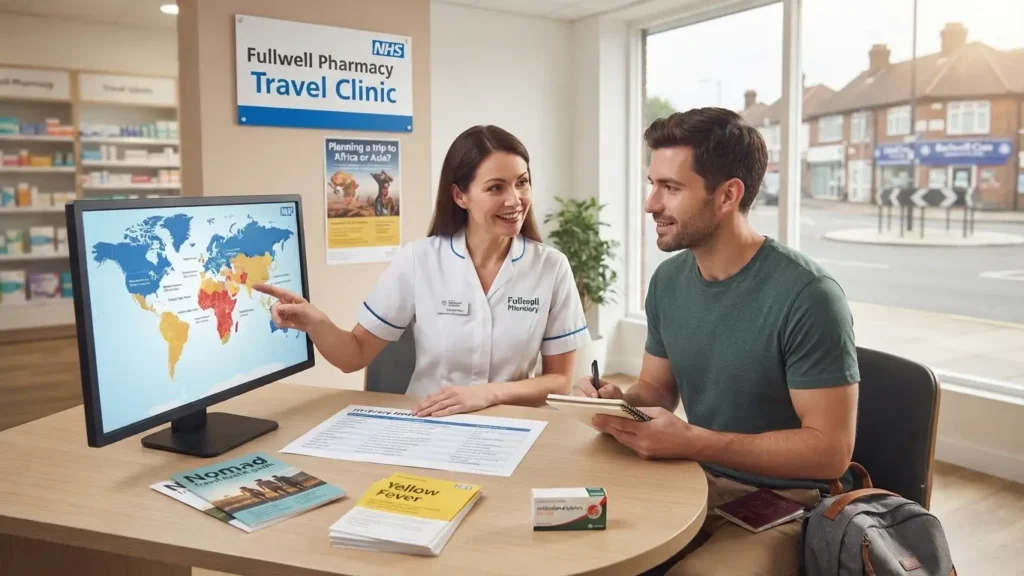
Good travel-health preparation starts before you pack. If you can, begin checking your health needs several weeks before departure so there is time to review destination advice, routine vaccinations, any travel vaccines, medicines and practical precautions. NHS guidance says to try to get travel-health advice at least 4 to 6 weeks before travel, although it can still be useful to seek advice if your trip is closer. NHS travel vaccination guidance is a useful starting point.
For travellers in Barkingside, the most useful approach is to treat a travel-health appointment as one part of a wider checklist rather than as a simple “which vaccine do I need?” visit. Your destination, the exact places you will stay, the length and purpose of the trip, your health, previous vaccinations and planned activities can all change the advice.
1. Check destination health advice early
Start with the countries and regions you are actually visiting, including stopovers. Health risks can vary within the same country, and advice can change because of outbreaks, entry rules or local conditions. Check TravelHealthPro country information for destination-specific health guidance and the FCDO foreign travel checklist for current travel advice, entry information and wider safety considerations.
Do not rely only on what was recommended for a previous trip. A city break, rural family visit, safari, backpacking journey, cruise or pilgrimage can involve very different exposure. Recheck the advice even if you have travelled to the country before.
2. Bring a clear itinerary and your health information
Travel-health advice is much more useful when it is based on your real itinerary. Have your departure and return dates, countries, regions, stopovers and accommodation plans available. Mention activities that may change your risk, such as rural travel, trekking, animal contact, volunteering, long stays or visiting friends and relatives.
Also gather any vaccination records you have, plus a list of regular medicines, allergies and important medical conditions. Tell the healthcare professional if you are pregnant, breastfeeding, have a weakened immune system or have previously had a serious vaccine reaction. If you do not know your vaccination history, the NHS advises checking the NHS App or asking your GP where appropriate.
3. Check routine vaccines as well as travel vaccines
Travel preparation is not only about specialist vaccines. The NHS recommends that travellers, including children, are up to date with routine vaccinations. The additional travel vaccines that may be considered depend on the destination and the individual risk assessment; there is no single vaccine list that applies to every trip.
Some vaccines need more than one dose or time for protection to develop, which is one reason to start early. If your trip is last minute, do not assume it is too late to ask for advice: some useful measures may still be possible, but the options depend on your circumstances.
4. Check malaria risk and plan bite prevention
Some destinations have malaria risk, and the recommendation may differ by region, season, length of stay and type of travel. Do not assume that everyone visiting a country needs the same malaria tablets. Check the current country information and get an individual assessment where malaria prevention may be relevant.
Bite prevention matters even when malaria tablets are not needed, because mosquitoes and other insects can spread several illnesses. TravelHealthPro insect and tick bite guidance recommends checking the risks at your destination and using appropriate measures such as insect repellent, suitable clothing, screened accommodation or an insecticide-treated net where advised.
5. Plan regular medicines and travel insurance
If you take regular medicines, prepare well before departure. Make sure you have enough for the trip and possible delays, and check whether the medicine is allowed in every country you will enter or transit through. Rules can differ from the UK, including for some prescription and over-the-counter medicines.
TravelHealthPro guidance on travelling with medicines advises keeping medicines correctly labelled and in their original pharmacy packaging and carrying appropriate prescription or medical documentation. If you use controlled medicines, injections or medicines that need temperature control, you may need extra preparation.
Travel insurance is also part of health planning. The FCDO travel insurance guidance advises arranging suitable cover before travel and making sure the policy covers relevant medical conditions and the activities you plan to do.
6. Reduce food and water risks
Vaccines cannot prevent every illness linked to contaminated food or water. Depending on your destination, sensible precautions may include careful hand hygiene, choosing food that is freshly prepared and thoroughly cooked, and using safe drinking water. The level of risk and the most practical precautions vary by destination.
The TravelHealthPro food and water hygiene guide explains that contaminated food and water can spread infections including travellers’ diarrhoea, hepatitis A, typhoid and cholera. People who are very young, older, pregnant, immunosuppressed or living with certain long-term conditions may be more vulnerable to complications and should plan accordingly.
7. Discuss pregnancy, children and long-term conditions early
Pregnancy, a weakened immune system, long-term medical conditions and young or older age can change vaccine suitability, malaria prevention options and the overall travel plan. Some destinations or activities may carry additional risks for particular travellers.
If you have a significant health condition, are pregnant or planning a pregnancy, or are travelling with a child who has complex medical needs, seek personalised advice early enough to make changes if needed. This may involve your GP, specialist, midwife or an appropriately qualified travel-health professional.
8. Check Yellow Fever rules only when they are relevant
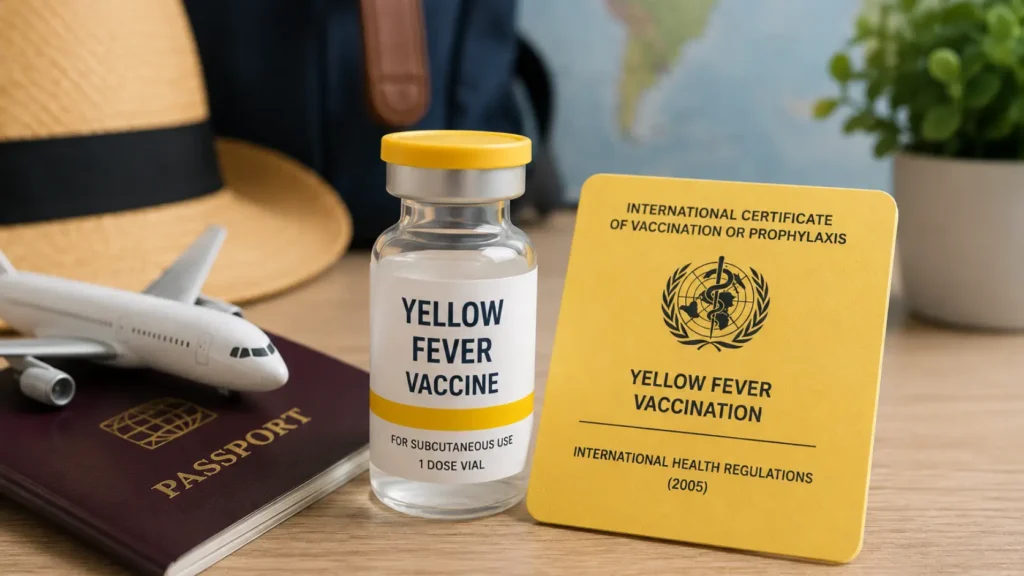
Yellow Fever vaccination is not a routine requirement for every traveller. It may be recommended because of disease risk at the destination, or a country may require a vaccination certificate because of where you have travelled or transited. The rules should be checked for the exact itinerary.
The NHS states that Yellow Fever vaccine and vaccination certificates are available only from registered Yellow Fever vaccination centres. If your itinerary may involve Yellow Fever risk or certificate rules, check the current destination guidance and, for local background information, see Yellow Fever information in Barkingside. Confirm the current availability and status of any local service before relying on an appointment or certificate.
9. Check pilgrimage or event-specific requirements
Certain trips have health requirements beyond routine holiday preparation. Hajj and Umrah are a clear example: Saudi entry requirements for pilgrims include meningococcal ACWY vaccination certification, and timing rules apply. Requirements can change, so use current official travel advice rather than an old certificate rule or a previous trip as your reference.
If you are travelling for pilgrimage, you can review Hajj & Umrah ACWY information alongside current FCDO and TravelHealthPro guidance. Similar care is sensible for mass gatherings, remote expeditions, cruises, long stays and multi-country journeys, where the type of travel itself can change the risk assessment.
10. Know when to seek medical help and keep advice current
Travel-health preparation does not end when you board the plane. Know how to access healthcare at your destination, keep your insurer’s details available and follow local or official public-health advice if circumstances change. If you become seriously unwell abroad, seek local medical help rather than relying on online advice alone.
After you return, tell a healthcare professional about your recent travel if you become unwell, particularly after visiting an area with malaria or another significant infectious-disease risk. The timing and symptoms that need urgent assessment depend on the illness and destination, so do not delay seeking help if you are concerned.
A practical travel-health checklist for Barkingside travellers
· Check TravelHealthPro and FCDO advice for every destination and transit country.
· Try to seek travel-health advice 4 to 6 weeks before departure where possible.
· Bring travel dates, a full itinerary and previous vaccination information.
· List your medicines, allergies and relevant medical conditions.
· Check routine vaccinations as well as destination-specific travel vaccines.
· Review malaria and insect-bite risk for the exact areas you will visit.
· Plan medicines, documentation and travel insurance before you leave.
· Review food, water, sun, heat and other practical risks for your destination.
· Check certificate or event-specific requirements such as Yellow Fever or Hajj/Umrah only where relevant.
· Recheck official advice shortly before departure because recommendations and entry rules can change.
Checking current travel-health support in Barkingside
If you want local information before travelling, you can review Fullwell Pharmacy’s current travel-health information. Because service arrangements, vaccine stock and appointment availability can change, contact Fullwell Pharmacy to confirm what is currently available before relying on a booking, vaccination or certificate service.
Frequently asked questions
How early should I seek travel-health advice?
Try to get travel-health advice at least 4 to 6 weeks before travel where possible, because some vaccines need time or more than one dose. If you are travelling sooner, it can still be worthwhile to seek advice.
What should I bring when seeking travel-health advice?
Bring your travel dates and itinerary, any vaccination records you have, a list of regular medicines, details of allergies and medical conditions, and information about pregnancy or immune problems if relevant.
How can I reduce mosquito-bite risk while travelling?
Check the risks for your destination and use measures appropriate to that risk, such as insect repellent, suitable clothing, screened accommodation or an insecticide-treated net where advised. Malaria tablets may also be recommended for some destinations.
Do I need travel vaccines for every trip?
No. The vaccines you may need depend on your destination, the areas you will visit, the length and type of trip, your previous vaccinations and your health. Check current destination advice rather than relying on a fixed list.
Where should I check current destination health advice?
Use TravelHealthPro for destination-specific travel-health information and FCDO foreign travel advice for current entry, safety and health information. Requirements can change, so check again close to departure.
How can I check whether a local travel-clinic service is currently available in Barkingside?
Check the provider’s current service information and contact them before relying on an appointment, vaccine or certificate being available. Availability, provider arrangements and vaccine stock can change.
Travel-health disclaimer
This guide provides general travel-health information and does not replace an individual clinical risk assessment. Vaccine, malaria-prevention and medicine advice depends on your destination, itinerary, health, vaccination history and other personal factors. Entry requirements and health advice can change, so check current official guidance before travel.




 the prescription app